Reading the Data, Fixing the Feel

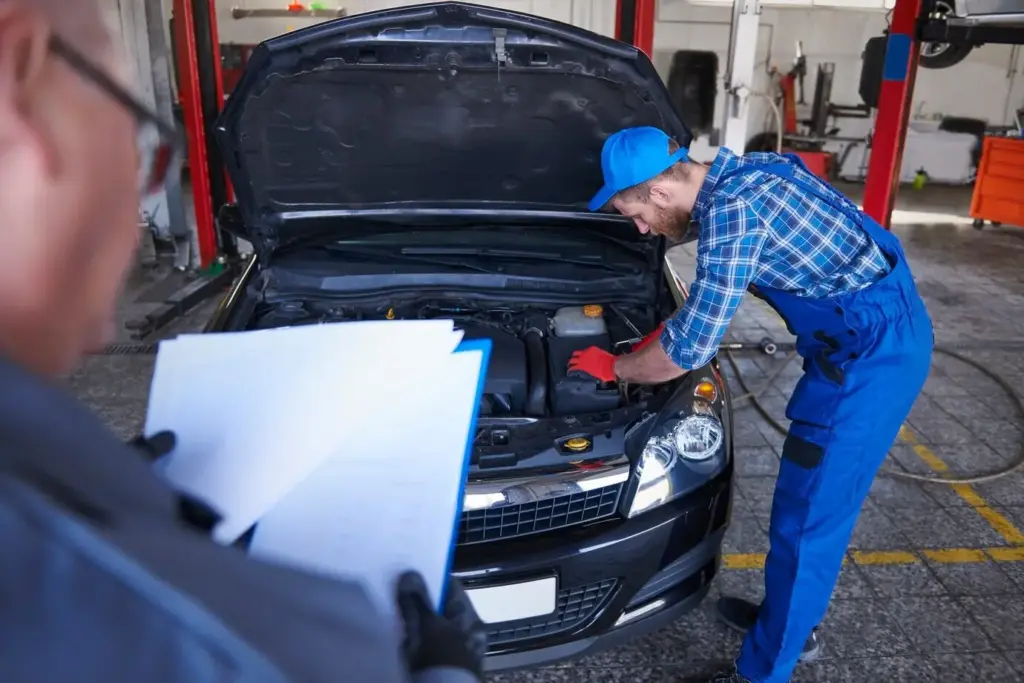
Parallels Between Diagnostics and Swing Analysis

A Practical Diagnostic Workflow You Can Repeat
OBD-II, Freeze Frames, and Mode 6 Without Jargon

Club Path, Face Angle, and Spin Loft Explained
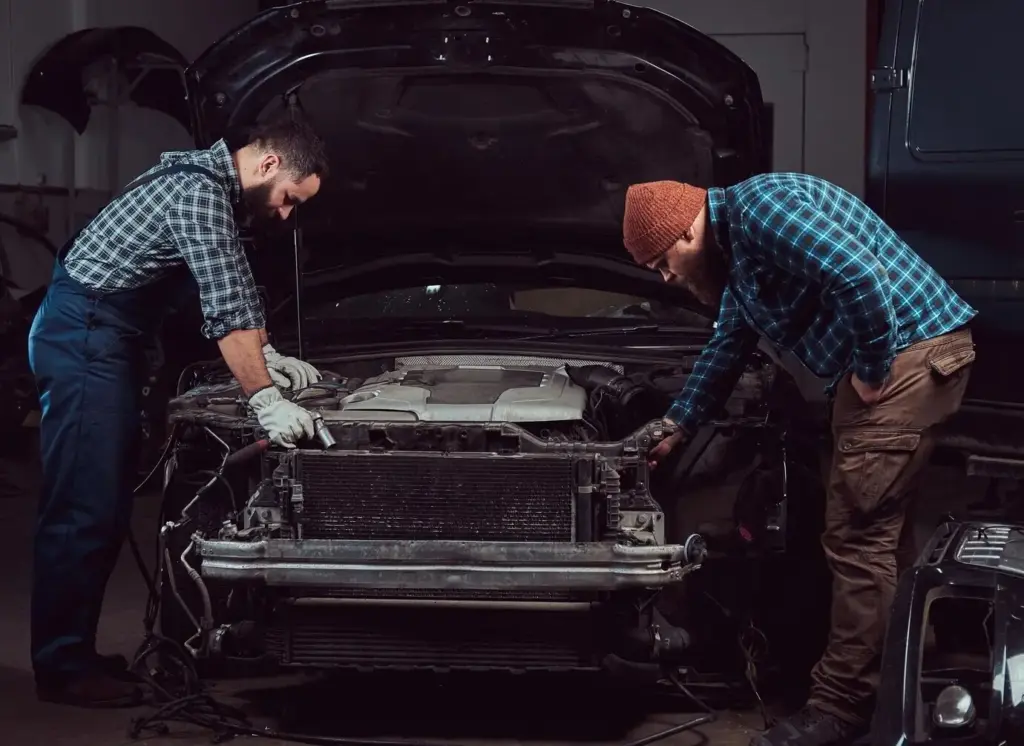
Context and Conditions Change Everything

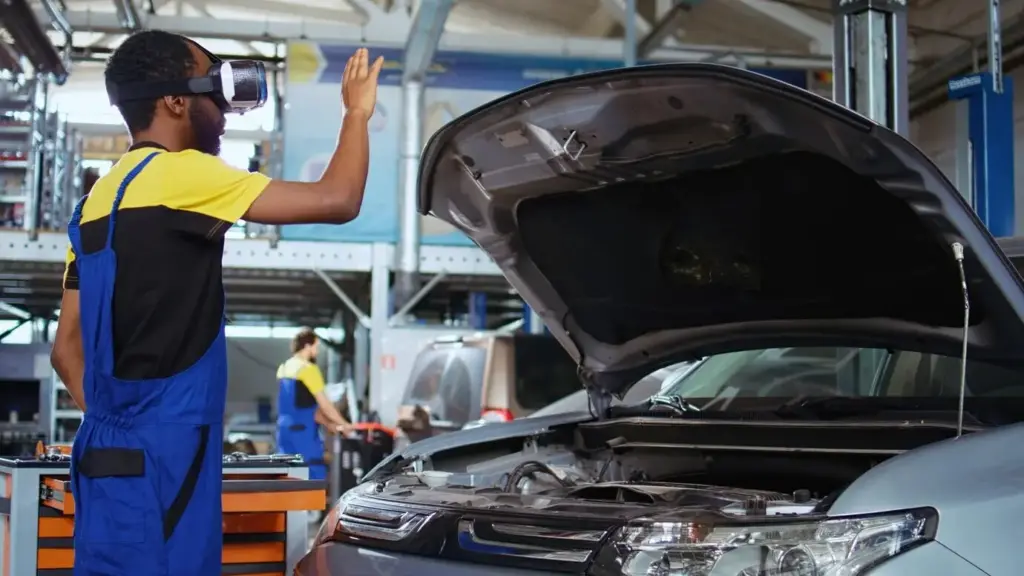
Real Stories From Garage and Range
A Misfire That Wasn’t the Coil
A sedan showed P0300 misfires only during uphill merges. Ignition parts looked guilty, yet an oscilloscope revealed coil dwell collapsing under accessory load because a corroded ground strap starved current. Cleaning and replacing one strap ended months of roughness, echoing how stabilizing wrist angles cured low-heel glancing blows.
A Slice That Vanished With Two Numbers
A mid-handicapper tracked face-to-path and strike location for two sessions. The slice vanished when face closed one degree and path moved two degrees right, holding the same ball and tee height. Measured tweaks beat swing overhauls, just like tightening a gas cap clears small EVAP leaks.
When the Instruments Lied
Once, every sensor agreed—because they were wrong together. A misaligned MAF caused compensations that looked “normal,” just as a launch monitor with skewed alignment created believable but false starts. Cross-referencing with a second tool exposed bias, reminding us to trust methods, not single instruments.
Tools, Sensors, and Setups That Elevate Insight
01
Safe, Smart Garage Essentials
Sturdy ramps, chocks, gloves, eye protection, a code reader, multimeter, and oscilloscope cover most driveway diagnostics. Keep ventilation flowing, stabilize battery voltage, and document each step. Small precautions prevent big setbacks, keeping minds clear for logic rather than emergencies or rushed, irreversible decisions.
02
Range Tech Without the Hype
Portable radar, photometric systems, or camera-based trackers each have strengths. Confirm alignment with sticks, verify spin with impact tape, and account for mat versus turf. Understand sampling windows and normalization so your practice numbers transfer to the course instead of inflating confidence unfairly.
03
Data Hygiene and Storage
Name files consistently, log settings, and tag weather, fuel, and lie details. Version notes for each change. Spreadsheets or notebooks beat memory, turning months of tinkering into searchable insight that prevents repeats, supports comparisons, and accelerates decisions when pressure or fatigue rises.

Reasoning Habits and Community Support

All Rights Reserved.