From Engine Codes to Swing Paths: Mastering Diagnostic Workflows
Today we dive into diagnostic workflows—step-by-step processes for tracking down car faults and swing flaws. You’ll learn how to move from symptoms to root causes using structured observations, smart tools, and iterative tests, whether you’re holding an OBD-II scanner or a 7‑iron. Expect practical checklists, relatable stories, and clear decision points you can follow immediately. Share questions, save the guide, and return with your own results so we can refine the process together.
Start with a Trustworthy Baseline
Before chasing anomalies, establish normality. Warm the engine to operating temperature, check tire pressures, calibrate your launch monitor, and shoot a baseline swing in slow motion. Record ambient conditions, fuel quality, and your grip pressure. Consistent starting conditions make differences meaningful and transform guesswork into measurable change.

Capture Clean Data
Use a stable phone mount or tripod, fresh batteries in sensors, and clean electrical contacts on probes. For vehicles, log freeze‑frame data immediately; for swings, capture down‑the‑line and face‑on angles. Eliminating noise upfront prevents false leads, wasted time, and expensive, unnecessary parts replacements.

Control Variables
Change one thing at a time. Hold the same club, wear similar shoes, and keep identical camera heights. In the garage, avoid simultaneous part swaps, and keep fuel types constant. Isolating variables sharpens cause‑and‑effect relationships and accelerates accurate conclusions without confusing overlap.

Break Problems into Manageable Systems
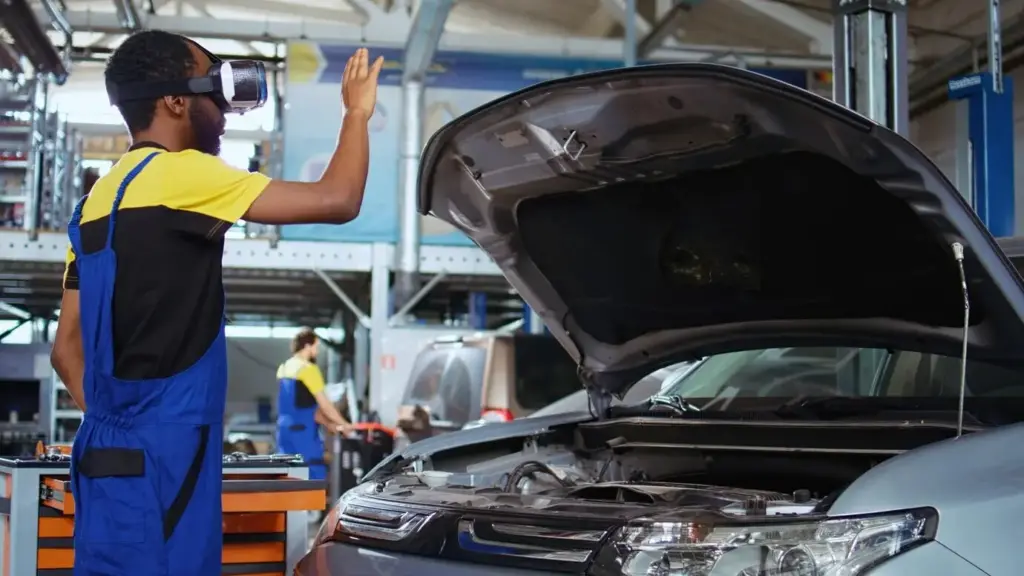
Complex issues shrink when decomposed into subsystems. Treat a vehicle as air, fuel, spark, compression, and control; treat a swing as grip, setup, backswing structure, transition, and delivery. Define tests for each subsystem. A disciplined map keeps you calm when symptoms feel chaotic and contradictory.
Tools That Reveal Hidden Signals
The right instruments make invisible patterns obvious. An inexpensive Bluetooth scanner, a lab scope, and a handheld smoke machine can expose leaks and timing issues; high‑speed video, launch monitors, and pressure plates illuminate movement tendencies. Tools are multipliers only when used with intention, context, and patience.

Reading Sensors with Confidence
Compare sensor readings to known-good ranges, not vague expectations. Observe trends at idle, part throttle, and load. Capture before and after snapshots. Outliers may signal wiring faults rather than component failure. Curiosity and restraint save money, preserve trust, and often deliver surprisingly elegant solutions.
Seeing Motions Others Miss
Film at 120–240 fps in bright light, ensuring the club and hands remain within frame. Mark alignment on the ground and draw reference lines during review. Subtle sway, cupping, or casting suddenly becomes obvious, enabling focused drills instead of guessing between dozens of contradictory cues.
Correlate Numbers with Feel
Pair launch data—club path, face angle, spin axis—with sensations you can reproduce. In cars, note how fuel trims or misfire counters change with engine load you can feel at the seat. Converting abstract numbers into lived experiences speeds learning and strengthens long‑term retention.

Design Reversible Experiments
Prefer steps that can be undone quickly: swap, don’t replace; add temporary alignment aids, don’t cement new feels. Keep notes with timestamps and conditions. The freedom to retreat lowers risk, encourages curiosity, and ultimately leads to bolder, smarter improvements grounded in evidence.

Validate with Repeatable Measures
Confirm repairs or adjustments under the same conditions that revealed the issue. Replicate the hill, speed, and gear where the noise occurred. Repeat the swing with identical targets and ball positions. Stability across repetitions signals true progress rather than lucky variance or wishful thinking.

Know When to Stop
Set success criteria before starting. If fuel trims normalize and cold starts are smooth for a week, consider it closed. If your dispersion tightens and contact sounds crisp for three sessions, move on. Chasing perfection beyond defined goals often reintroduces chaos and doubt.
Stories from the Garage and the Range
Real fixes inspire confidence. One weekend project car misfired only under load; a scope revealed coil dwell irregularities despite normal static resistance. A mid‑handicapper fought a chronic slice until face‑to‑path feedback tied to grip pressure exposed the real culprit. Processes, not heroics, carried both wins.
Build Your Personal Playbook
Codify what works so momentum survives busy weeks. Create checklists, shot libraries, and test routes that match your environment. Keep templates for phone angles, logbook columns, and warm‑up routines. Share them with friends or teammates, gather feedback, and refine. Collective knowledge compounds faster than isolated effort.

All Rights Reserved.